





Pull Strap
Shaft
Vamp
Heel
BOOT STYLES

Western
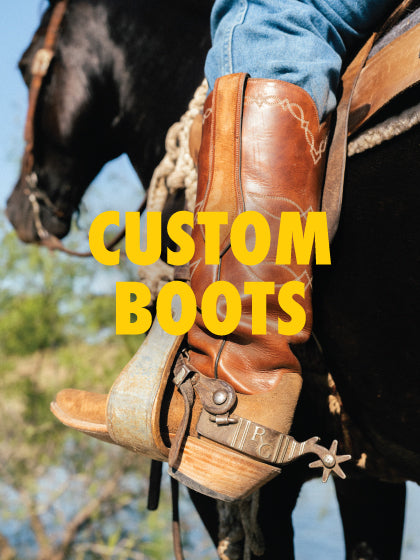
Traditionally known for their taller shaft that protects the calf, a narrow toe that fits easily into a stirrup and a taller heel for better control while riding. Made to work, but offered in a range of good-looking options.

Exotic
Made from materials like alligator, lizard, ostrich, or python; the choices are endless and will make a statement in any room you enter.

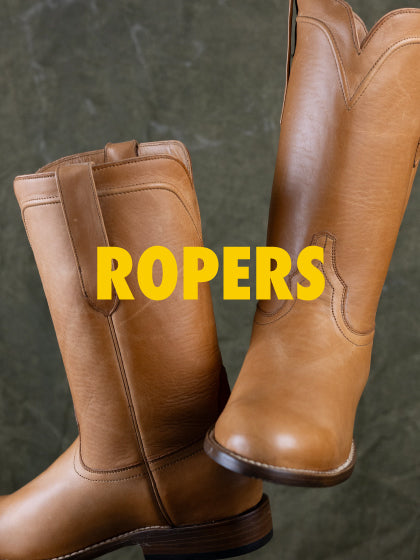
Roper
These boots feature a shorter shaft and a shorter “walking heel” and broader round toe for increased comfort and flexibility. Originally for roping and walking pastures.

Short
A short women’s boot, comes as an ankle boot, a bootie or a 10” western style. Great styles for warm weather and a change of pace from a traditional 13” cowboy boot.

Tall
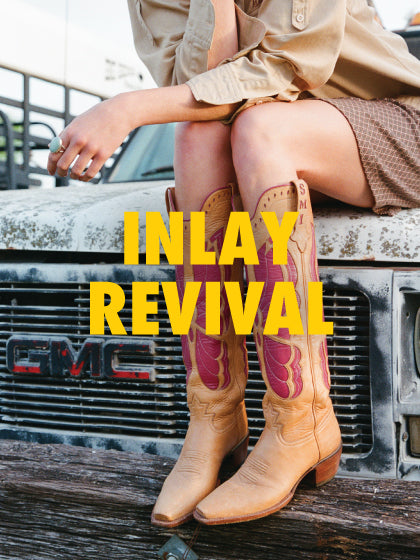
A tall western boot is classified as anything over 13”, tall riding and city boots for women, 15” buckaroo boots for men designed for working in rough country.

Triad
A triad is a classic design style that features a three-piece construction, differing from traditional four-piece western boots, where the boot's top extends all the way to the sole, creating a seamless or overlaid vintage look.

Cowboy Boot Fit
A new pair of cowboy boots should feel snug but not painful. The instep ought to fit like a firm handshake, holding your foot in place, while your heel should slip just a little—about a quarter inch—until the leather breaks in. Your toes should have room to move without hitting the front, and the ball of your foot should sit naturally at the widest part of the boot. Over time, the leather will stretch and mold to your foot, giving you a custom, glove-like fit.